


.png)


CONVEYOR BELT SUPPLIER
UK APPROVED NITTA Partner – Keeping Production Moving with the Right Belt
Conveyor Belts
Find Your Conveyor belt
Line down? Machine stopped? We help you identify the right conveyor belt for your application quickly and accurately, so you can get back up and running with minimal delay.
As experienced engineers, we do more than supply belts. We help identify the cause of the failure, recommend the correct replacement belt and offer next-day delivery on common UK stock. The result is less downtime, fewer delays and a belt solution you can trust.


Conveyor Belt Materials
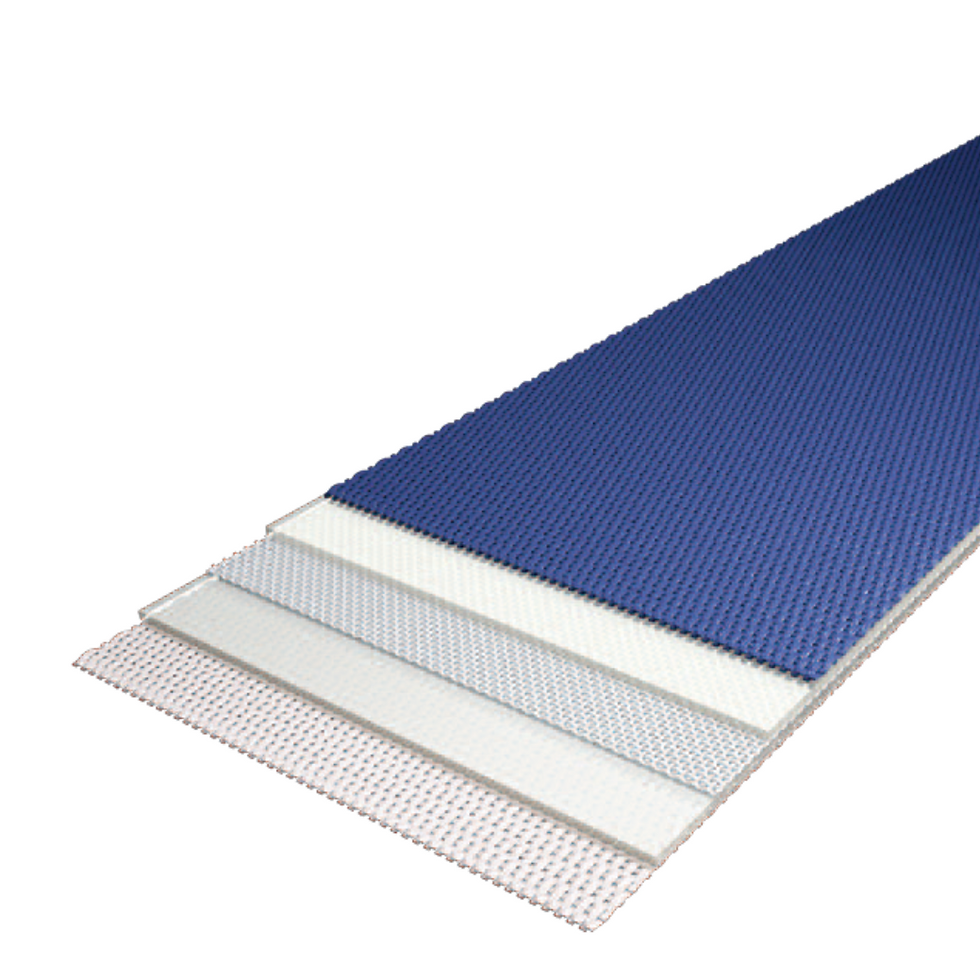
The material of your conveyor belt plays a major roll in performance, belt life and product handling. Different conveyor belt materials provide different levels of grip, durability, chemical resistance and temperature resistance, so selecting the right material is essential for your application. When matched correctly, the belt runs more reliably, lasts longer and helps protect your products from damage.

Frequently Asked Questions
Conveyor belts move materials or products from one point to another, typically across a supported conveying surface.
Transmission belts transfer power through a machine to drive pulleys, shafts or other moving parts, often along more complex belt paths.
Feeder belts are designed to feed materials or products into machinery in a controlled way and may include features such as perforations for vacuum suction or rubberised surfaces for extra grip.
The difference matters because each belt is designed foe a specific job. Using the wrong type of belt can lead to poor performance, unnecessary wear and premature failure.
Choosing the right belt material depends on the product being handled, the operating environment and the performance required. For general warehousing and logistics applications, polyurethane is often a strong all round option. Food applications require food-safe or FDA compliant materials, while applications involving oils or chemicals need careful attention to material compatability.
Other factors such as temperature extremes, anti-static requirements and food safety standards also influence belt selection. If you are unsure, tell us about your application and we will recommend the right belt material for the job.
Conveyor belt tracking problems are usually caused by incorrect installation, misaligned pulleys, uneven roller wear, damaged shafts or bearing failure. In some cases, the belt itself may be damaged or not tensioned correctly. When we fit belts, we make sure they are tracked properly and check for any underlying mechanical issues that could affect performance. Many belt problems blamed on "poor quality" are actually caused by installation or maintenance issues. Getting it right from the start helps reduce downtime and avoid unnecessary costs.
Yes. Fire retardant conveyor belts are essential for many applications, particularly in aviation, warehousing and other environments where fire safety requirements apply. Nitta manufactures belts that meet a range of fire resistance categories, we can help specify the correct belt based on your industry, application and risk assessment. Tell us about your application and we will advise on the most suitable solution.
For commonly used belt types, we can often offer next-day delivery from UK stock. For specialist belts or larger projects, lead times will vary, but we will always give you a clear timescale from the outset. If you have a line down and need an emergency response, contact us straight away and we will prioritise getting you back up and running.
Conveyor Belt Fitting and Engineering services
Supplying the right belt is only part of the job. It must also be fitted correctly, tracked properly and tested to make sure it runs reliably in your application. APR Conveyor Belts provides complete conveyor belt services, including on-site conveyor belt fitting, belt tracking, testing and technical support. Our engineers do more than just fit belts. While on site, they also check for worn bearings, damaged shafts and other mechanical issues taht could cause further breakdowns. We also provide ongoing conveyor belt maintenance support and practical advise to help keep your operation running reliably for the long term.
Testimonial
CCL Label has built an outstanding relationship with APR over the past couple of decades. Not only have they consistently serviced and maintained our folding machines, but they are also quick to respond to emergency breakdowns—often arriving on-site within just a few hours.
Alan has played a key role in developing and training many of our strongest operators. Working with APR has allowed us to tap into decades of expertise, benefiting not only our bindery department but other areas of the site as well.
We look forward to continuing our partnership with Alan, Paul, and the entire trustworthy APR team for many years to come.
Dave Barton - Continuous Improvement Project CoOrdinator
CCL Label (Ashford) Limited


